
Cognitive Debriefing: Transforming Translation in Life Sciences
Discover the impact and importance of cognitive debriefing in life sciences translation.

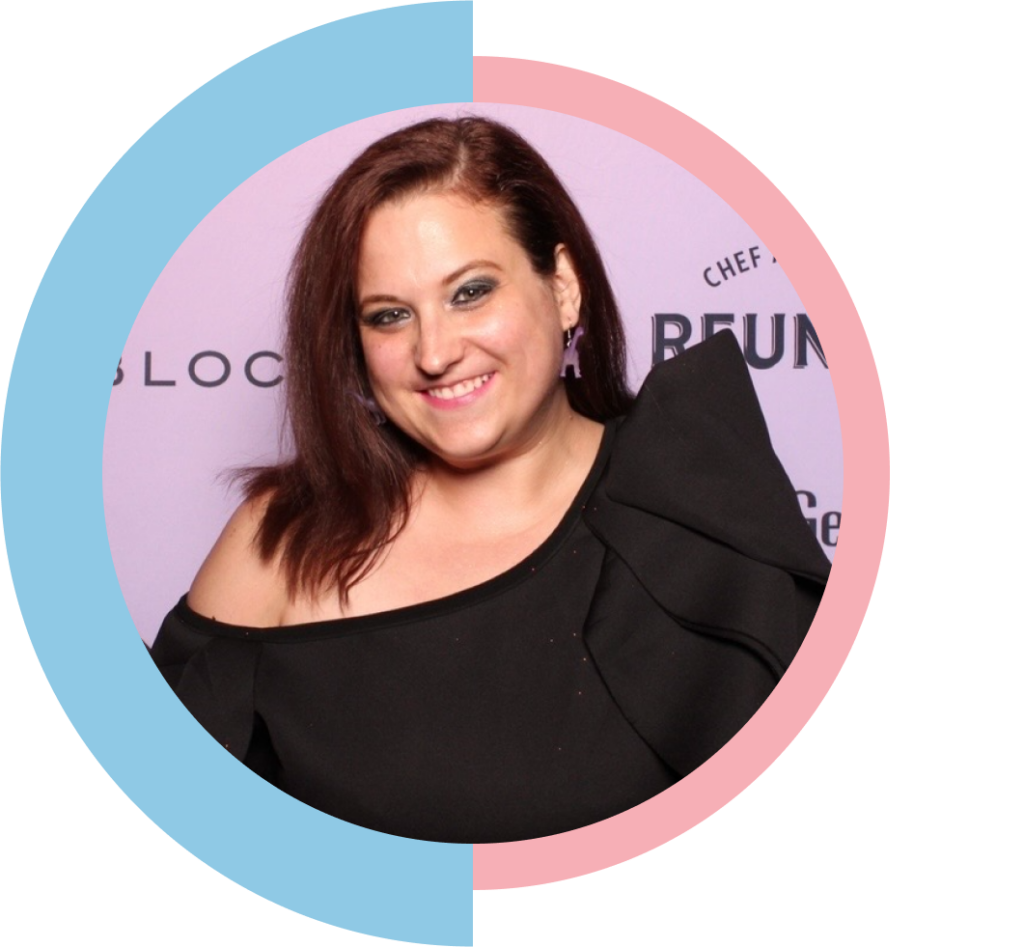
Welocalize’s Megan Kregel had no idea what linguistic validation was when she first joined the localization and translation industry 12 years ago. However, over the years, she has come to understand the importance of this process, especially in life sciences translation.
At the American Translators Association conference, Megan shared her knowledge and experience of linguistic validation’s profound impact and necessity. In this post, she shares insights into the intricate process of linguistic validation and its real-world applications. Megan also explores the often overlooked aspect of cognitive debriefing, which forms the core of ensuring life sciences translation fidelity and cultural relevance.
What is Linguistic Validation?
In simplest terms, linguistic validation is a highly rigorous process that follows the methodologies recommended by the International Society for Pharmacoeconomics & Outcomes Research (ISPOR) and the Food & Drug Administration (FDA).
This process ensures that translated texts are accurate and culturally relevant to any given patient population. The purpose is not to gather health information data but to ensure that the translated version expresses the same meaning as the original source document and that the intended audience understands everything.
Most linguists in life sciences translation are familiar with and participate in the first few steps of the linguistic validation process. This includes working on the forward translations of a text, reconciling and editing the translation, and then back-translating the translation into the original source language to ensure nothing is overlooked. However, many linguists are unfamiliar with the part of the linguistic validation process known as cognitive debriefing.
Real-World Applications and the Importance of In-Person Debriefing
Cognitive debriefing is a process within a process. A debriefer recruits and interviews participants within a particular target population to see if everything in the questionnaire is understood and that the original source meaning has been conveyed. Does the phraseology make sense in the target language? Is everything clear? Can it be understood? Is it relevant? Could what has been translated into the questionnaire be seen as offensive?
For example, let’s say someone with epilepsy is asked if they have ever used other treatments for their seizures instead of the prescribed drugs they were given. In some adaptations of questionnaires, I have seen the option of amulets, medicinal herbs, or potions from medicine men being listed because they’re relevant to that particular culture. In other countries, however, these sorts of treatments aren’t. This is why it’s imperative to distribute and debrief the questionnaires in person with people with relevant conditions in-country to ensure everything is understood.
During the interview, participants will be asked to review the instrument/questionnaire. The debriefer will then ask the questions to elicit the necessary responses. It’s the job of the debriefer to make respondents feel comfortable. If they don’t feel comfortable, some answers might be inaccurate, and the data will be invalid.
Good debriefers also know how to ask good questions that will elicit more than just a yes or no response, and will be on the lookout for non-verbal cues. They can ask the respondent to expand on things based on body language or inflections that can be heard in the participant’s voice. At the same time, a good debriefer also knows how to be friendly but not too personal. It’s all about learning the perfect balance and cadence needed to get the responses required.
Each debriefing project is different. Most require only 5-10 participants for a study, but there have been projects with over 100+ needed. Conditions in studies are different as well. Sometimes, only healthy participants are required. Often, there are studies on asthma, obesity, diabetes, and cancers. And yes, there are quite a number of COVID ones now as well.
Why Linguists Should Dive into Cognitive Debriefing
Linguists should consider getting involved in cognitive debriefing for several reasons. They have likely already worked on the translation stages of the project and are familiar with the content type. Attention to detail and the ability to juggle multiple deliverables are crucial skills for linguists. Fortunately, they know the industry well and can quickly grasp new concepts.
Interpreters are particularly skilled at the interviewing portion of debriefing, as they are already comfortable with speaking. While an ideal debriefer can do both interviewing and recruiting, it’s best to let debriefers work in the way they are most comfortable.
The Future Intersection with AI
Recently, there’s been a common question about whether cognitive debriefing will adapt to the world of AI. In simple terms, no. It hasn’t been built up enough to differentiate cultural nuances that only humans currently possess.
Further down the road? It might well be a possibility, but right now, it would corrupt the data needed within clinical trials.
Welocalize can support your global clinical trials and accurate life sciences translation. Connect with us here for more information.



 Dan O’Brien
 Erin Wynn
 Chris Grebisz
 Christy Conrad
 Matt Grebisz
 Siobhan Hanna
 Kimberly Olson
 Nicole Sheehan